Japan 日本 Host ranjith_nomads
Trip Guide · For Confirmed Travellers

Japan

24 OCTOBER — 2 NOVEMBER 2026 · 10 DAYS / 9 NIGHTS

Your tickets are booked and your visa is in hand. This page is everything else — how to prepare, what to carry, how food, money and connectivity work, and what each day looks like.

Travel window

24 Oct — 2 Nov 2026

Route

Osaka • Kyoto • Tokyo

Group size

11 travellers
6 male · 5 female

Host

Ranjith Nomads

Before You FlyHome ↑

Things to carry

One check-in bag and one day pack is plenty. We move between cities by train and you will carry your own luggage up and down station stairs, so pack for that rather than for the wardrobe.

Documents

  • Your current passport — the one with the visa on it
  • Travel insurance, printed copy
  • Printed flight itinerary
  • Doctor's note and prescriptions for any regular medication
  • Two passport photographs

Shoes and clothing

  • A good, broken-in pair of walking shoes
  • Warm socks × 6
  • Thermals — the mornings are genuinely cold
  • A jacket, windproof and water-resistant
  • Slip-on pair for temples and indoors
  • Gloves, beanie, scarf
Late October runs roughly 10–19 °C by day and 7–12 °C at night. See the climate section below.

Forex cards

  • Carry at least two per person — if one does not work you still have the other
  • Debit: Niyo (DCB Bank) and Niyo (SBM Bank)
  • Credit: Scapia (Federal Bank)
NiyoDebit · DCB Bank iOS ↗ Android ↗
NiyoDebit · SBM Bank iOS ↗ Android ↗
ScapiaCredit · Federal Bank iOS ↗ Android ↗

Japanese Yen

  • If you are carrying a forex card, roughly ¥20,000 in cash is enough
  • That is about ₹12,400
  • If you are not carrying a card, convert according to your need
  • You can convert in India itself — no need to wait for the airport
¥100 ≈ ₹62 · approximate

Camera

  • You are going to take a lot of photographs — carry a good camera or a phone you trust
  • Spare cards and batteries
  • A small cleaning cloth; autumn mornings fog lenses

Electronics

  • Type A / B plug adapter — Japan runs 100V
  • Power bank, 10,000 mAh, in cabin baggage
  • Multi-port charger

Day pack essentials

  • Refillable water bottle
  • Small folding umbrella
  • Coin purse — you will accumulate coins
  • Hand towel; public toilets rarely have dryers
  • Small bag for your own rubbish

Medicines

  • Regular prescriptions plus a week extra
  • Painkillers, antacid, anti-allergy
  • Motion sickness tablets
  • Blister plasters and pain relief patches

Medicines I carry

I carry the following for the group, three days' worth of each. Ask me — do not self-medicate from your own guesswork.
  • Cold — Azithromycin 500 mg (0-0-1), Amoxicillin 625 mg (1-1-1)
  • Cough — Ascoril 10 ml (1-0-1)
  • Running nose — Allegra 120 (1-0-1), Levocetirizine (0-0-1)
  • Pain, except stomach — Diclo 50 mg (1-0-1)
  • Fever — Dolo 650 (1-1-1)
  • Diarrhoea — Vibact DS (1-1-1), Loperamide (1-0-0), ORS
  • Stomach pain — Buscopan (1-1-1)
  • Gastritis — Pan 40 mg (1-0-0)
  • Vomiting — Emeset 4 mg, whenever you feel nauseous
  • Also — calamine lotion, band aids, cotton, Odomos cream

Food from home

  • Ready-to-eat packets, if you are particular about food
  • Snack bars for long travel days
  • Instant coffee or tea sachets
  • Small pickle or podi packs
Declare food items on the customs form. Fresh fruit, meat and dairy are not allowed in.
What to ExpectHome ↑

Climate summary

We are in the Kansai region from 25 to 28 October and in the Tokyo region from 29 October to 2 November. Late October is one of the better windows to be in Japan — dry, clear and cool, with the autumn colour beginning in the hills. Figures below are typical historical averages for this week, not a forecast.

WhereDatesDay highNight lowRainWhat it feels like
Osaka25–26 Oct21–23 °C13–15 °CLowPleasant by day, a layer needed after sunset
Kyoto27–28 Oct20–22 °C10–12 °CLowCrisp mornings in the basin, warm afternoons
Nara27 Oct20–22 °C10–12 °CLowOpen parkland, noticeably cooler in the wind
Tokyo29 Oct – 2 Nov18–20 °C12–14 °COccasional showersMilder nights than Kyoto, more humid
Higher groundDay trips12–16 °C5–8 °CWindyGenuinely cold on exposed ground

Kansai · 25–28 Oct

Cool mornings, warm middays
Kyoto sits in a basin, so mornings run several degrees colder than the afternoon. A light jacket you can take off by 11:00 and put back on at 17:00 is the right call. Rain is unlikely but not impossible.

Tokyo · 29 Oct – 2 Nov

Milder, slightly damper
Nights do not drop as far as Kyoto, but showers are more likely and the wind off the bay is cold in the evening. Carry the umbrella on the Kamakura and Fuji days.

Daylight

Sunset around 17:00
It is dark by 17:30. Sightseeing days start early and evenings feel later than they are.

What to wear

The layering plan

  • Thermal or full-sleeve base layer
  • Sweater or light fleece as the mid layer
  • Windproof, water-resistant jacket on top
Indoor heating in Japan is strong. You will take layers off as often as you put them on, so nothing should be a struggle to remove.

Day to day

  • Full-length trousers — not shorts
  • Warm socks, and a spare pair in the day bag
  • Scarf, gloves and a beanie for the mornings
  • Folding umbrella, always

Worth knowing

  • Air is dry — carry lip balm and moisturiser
  • A scarf makes more difference than a heavier coat
  • One neat outfit is enough for the whole trip
Eating WellHome ↑

How to manage food

The itinerary carries the places I recommend for each day with map links — cafes for breakfast, local cuisine for lunch, and an Indian or halal option wherever there is a good one nearby. Use your forex card where it is accepted and keep a little cash for the smaller places.

  • BreakfastAt some of the well-known cafes around Japan, chosen to fit wherever the day starts. Listed under each day in the itinerary.
  • LunchExploring local Japanese cuisine. Where there is a good Indian restaurant nearby it is named in that day's list with a Google Maps location.
  • DinnerThe same — local where it is worth it, Indian where you would rather have it. All mapped under the day.
  • PayingPay with your forex card where it is accepted. Keep a little cash for the smaller places that are still cash only.
  • Kyoto kitchenOur Kyoto stay has kitchen facilities. From 25 to 28 October, feel free to use them — cook, reheat, make your own breakfast.
  • VegetarianPossible but needs planning. Dashi, a fish stock, is in a great deal of food that looks vegetarian. Say "katsuo dashi nashi de" and expect it to sometimes be declined.
  • Jain and veganTell me now if this applies to you. I will point you to specific restaurants rather than leave it to chance.
  • AllergiesCarry a printed allergy card in Japanese. I will share a template on the group chat.

Always works in a pinch

  • Convenience store onigiri and salads
  • Soba and udon shops
  • Curry rice chains
  • Bakeries near any station
  • Indian restaurants, in every city

Carry from home

  • Ready-to-eat packets, if you are particular
  • Snack bars for long travel days
  • Instant coffee or tea sachets
  • Small pickle or podi packs
Declare food items on the customs form. Fresh fruit, meat and dairy are not allowed in.

At the table

  • Tap water is safe everywhere and restaurants bring iced water free.
  • Slurping noodles is fine and expected. Eating on a train platform is fine; eating while walking down the street is not.
  • Say itadakimasu before eating and gochisousama deshita when you finish. Staff notice.
  • Never stand chopsticks upright in rice, and do not pass food chopstick to chopstick — both belong to funeral rites.
  • Pour for the person next to you, not for yourself.
  • Do not tip. Put money on the small tray at the counter rather than in a hand.

Ordering without Japanese

  • Many places have a ticket machine at the door — pay first, hand the ticket to the counter.
  • Plastic food models and photo menus are normal. Pointing is a perfectly acceptable way to order.
  • Google Translate's camera mode reads menus well. Download Japanese for offline use.
  • Small counters seat six people. If it is full, wait outside in line rather than hovering inside.
  • Many small places are cash only — check before you sit down.
Physical DemandHome ↑

Expected walking distance

Daily average

9.9 km · about 14,000 steps
Spread across the day, with sit-down breaks and meals in between.

Stairs and escalators

Expect stairs everywhere
Not every station has a lift. Four-wheel spinner luggage helps; oversized suitcases do not.

Managing cash and cards

Carry a forex card, mainly — that is what keeps you sorted. Japan is still more cash-dependent than most travellers expect, so keep a small amount of yen alongside it for the places that do not take cards.

  • CurrencyJapanese Yen (¥). Approximate rate: ¥100 ≈ ₹62 — check nearer the date.
  • Carry in cashRoughly ¥20,000 per person, about ₹12,400, in a mix of ¥10,000 and ¥1,000 notes. Convert it in India.
  • Forex cardsAt least two per person. Niyo (DCB Bank) and Niyo (SBM Bank) for debit, Scapia (Federal Bank) for credit. If one fails you still have the other.
  • Where to withdraw7-Eleven and Japan Post ATMs accept foreign cards reliably. Bank ATMs frequently do not.
  • CardsVisa and Mastercard are widely accepted; Amex less so.
  • IC cardSuica or Pasmo, loaded with ¥3,000–5,000. Works on trains, buses, lockers and convenience stores. Add it to your phone wallet if it supports it.
  • CoinsYou will accumulate them fast. Spend them at convenience stores and vending machines rather than hoarding.
  • TippingNot practised. Leaving money on the table causes confusion, not gratitude.
  • Tax-free shoppingAvailable above ¥5,000 at participating stores. Carry your passport if you plan to shop.

Rough daily spend

  • Coffee and snacks: ¥800
  • Lunch: ¥1,000–2,000
  • Dinner: ¥1,000–2,000
Do not exchange currency at the airport counter unless you need a small float. Converting in India, or withdrawing from a 7-Eleven ATM, usually gives a better rate.
Staying ConnectedHome ↑

SIM cards and connectivity

You will need an eSIM to stay on WhatsApp and to use maps and train times through the day. You can order one by clicking the link below, which is the one I recommend.

Best option · eSIM

Buy before you fly
Install at home, activate on landing. Around ¥2,000–4,000 for 10–20 GB over the trip. Check your phone supports eSIM first.

Physical SIM

Airport counters
Data-only tourist SIMs, available on arrival. Slightly more expensive, and you will lose your home number while it is in.

If you need calls

International roaming
Activate roaming with your own provider if you need your number live for calls. It works, but it will cost noticeably more than an eSIM.
Public WiFi exists but is patchy. Stations, convenience stores and cafes have it; it usually needs an email sign-in and rarely works when you need it most. Do not rely on it.
Travelling WellHome ↑

Etiquette and consideration

Japan runs on quiet consideration for the person next to you. Very little of this is written down or enforced, and nobody will correct you — which is exactly why it is worth reading before we arrive. The same applies within our own group: eleven of us sharing trains, corridors and dinner tables for nine days.

Volume, above everything else

  • Trains are near-silent. Phone calls are not made on board; keep phones on silent and conversations low.
  • No speakerphone, no video calls, no music without earphones in any public space.
  • Hotel corridors carry sound at night. Walls in ryokan are paper.
  • Our group is large. What feels like normal conversation across six people is loud in a Japanese restaurant.

Queues, space and pavements

  • Queue on the marked floor lines and let passengers off before boarding.
  • Stand to one side on escalators — the side varies by city, follow whatever locals are doing.
  • Do not block pavements or station passages while the group gathers. Move to a corner.
  • Backpacks come off and go in front of you or at your feet on a crowded train.

With locals

  • A small nod or bow answers almost everything. "Sumimasen" for excuse me, "arigatou gozaimasu" for thank you.
  • Ask before photographing people, staff, or inside shops and temples. Some places forbid it outright.
  • Do not tip, do not haggle, and do not hand money directly — use the tray on the counter.
  • Shoes come off where you see a step up or a shoe rack. Watch what everyone else has done.
  • If a shop or restaurant says no, that is the answer. Pressing is far more offensive than the refusal.

With each other

  • Be on time. Ten people waiting on one is the fastest way to sour a morning.
  • Rooms are shared. Pack the night before, keep your things on your side, use the bathroom quickly in the mornings.
  • Rotate train seats and dinner-table company. Nobody claims a seat for the whole trip.
  • Someone will be tired, cold or unwell on any given day. Notice it and slow down for them.
  • Drink at your own pace and know it. You are representing the group to every host we meet.

Cleanliness

  • Public bins are rare. Carry your rubbish until you reach your hotel or a convenience store.
  • Do not eat or drink while walking. Sit, finish, then move on.
  • Separate your waste as labelled — burnable, plastic, cans, bottles.
  • Leave every room, seat and bath as clean as you found it.

Temples and shrines

  • Bow once at the gate before entering, and again on your way out.
  • Rinse at the water basin — left hand, right hand, then mouth from the left hand. Never drink straight from the ladle.
  • Walk to the side of the central path at shrines. The middle is left for the gods.
  • At a shrine: coin in the box, bow twice, clap twice, pray, bow once more.
  • Photography is often banned inside main halls. If there is a sign, there is no exception for one quick shot.

Phrases worth learning

  • Sumimasen — excuse me, sorry, and to get attention. The most useful word you will carry.
  • Arigatou gozaimasu — thank you.
  • Onegaishimasu — please, when asking for something.
  • Eigo no menu wa arimasu ka — is there an English menu?
  • Kore o kudasai — this one, please, while pointing.
  • Daijoubu desu — it is fine, no thank you.

If something goes wrong

  • Lost something? Ask at the nearest station office. Japan's lost-property system genuinely works.
  • Lost the group? Stay where you are, message the group chat, and I will come to you.
  • Unwell? Tell me early, not at the end of the day. Pharmacies are everywhere and staff are patient.
  • Emergency numbers: 110 police, 119 fire and ambulance.
  • Keep the hotel address in Japanese on your phone — show it to any taxi driver.
宿
Where You'll StayHome ↑

The stays

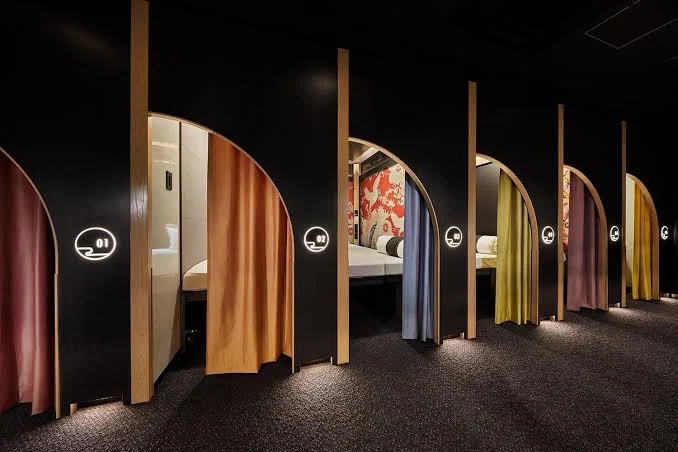
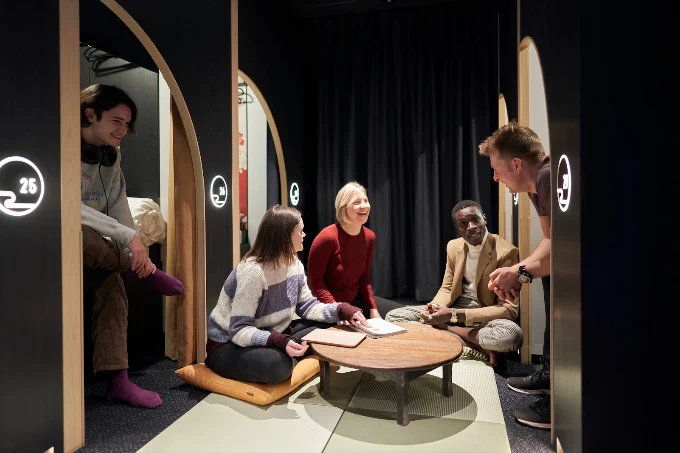
Two properties across the trip, both premium experiences of their kind — well located, spotlessly kept, and chosen so that you step out of the door into the part of the city worth walking. Both have shared washrooms rather than en-suite bathrooms.

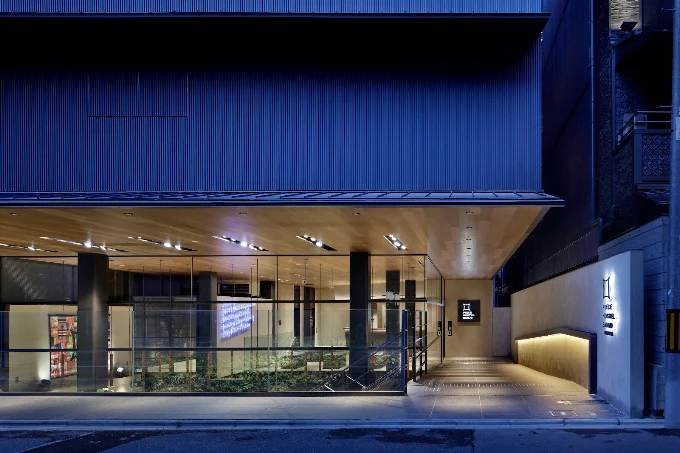
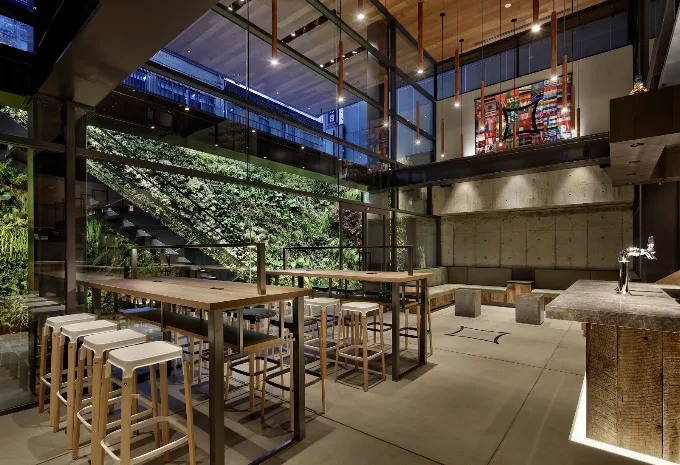
Piece Hostel Sanjo · Kyoto

Our base for the Kansai leg, 25 to 28 October. Central Kyoto, a short walk from Sanjo and the river, with a proper kitchen you are welcome to use.

  • Nights: 25 — 28 October
  • Shared washrooms, kept immaculately
  • Kitchen available — cook, reheat, make your own breakfast
  • Luggage storage on check-out day
Free WiFiKitchenLaundry
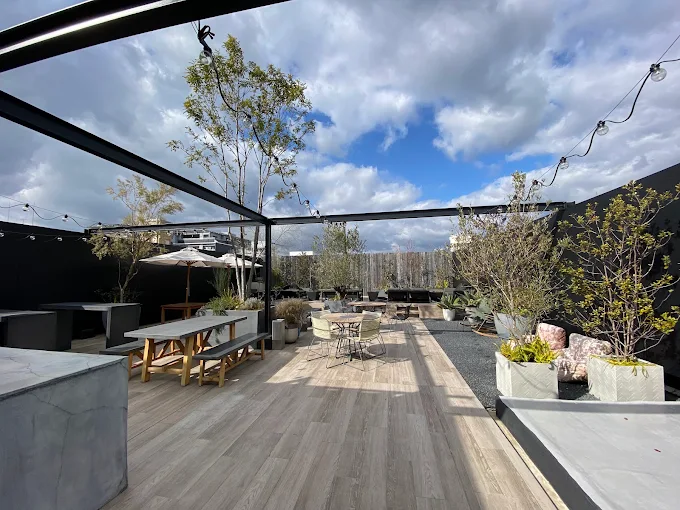
Piece Hostel Sanjo, Kyoto Piece Hostel Sanjo, Kyoto Piece Hostel Sanjo, Kyoto Piece Hostel Sanjo, Kyoto

Resol Poshtel Asakusa · Tokyo

Our base for the Tokyo leg, 29 October to 2 November. Asakusa, minutes from Senso-ji and well connected on the metro for the day trips.

  • Nights: 29 October — 2 November
  • Shared washrooms, kept immaculately
  • Luggage storage on arrival and departure day
  • Convenience stores and food within a minute's walk
Free WiFiCoin laundry
Resol Poshtel Asakusa, Tokyo Resol Poshtel Asakusa, Tokyo Resol Poshtel Asakusa, Tokyo Resol Poshtel Asakusa, Tokyo

Using the washrooms

Shared, not en-suite

  • Showers and toilets are on each floor, used by everyone.
  • Go in, be quick, leave it dry. Someone is waiting.
  • Carry a small toiletry bag and a pair of flip-flops.
  • Mornings are the rush. If you are slow, go early or go late.

The toilet buttons

  • Japanese toilets have a control panel — most of it is optional.
  • おしり or a bottom icon: rear wash. ビデ: front wash.
  • in red, usually the largest button: stop. This is the one to find first.
  • Flush is often a separate lever, a wall button marked 大 / 小, or a sensor panel — not on the control pad.
  • The seat is heated. That is normal, not a fault.

Worth knowing

  • Slippers at the door of a toilet are for that room only. Do not walk out in them.
  • Paper goes in the bowl. Sanitary waste goes in the bin provided.
  • Many public toilets have no hand dryer or paper — this is why you carry a hand towel.
  • Public toilets in Japan are clean and free. Use the ones at stations and department stores.
Moving Your BagsHome ↑

Carrying luggage between cities

We move from Kyoto to Tokyo mid-trip, and that day involves a train, station stairs and a walk at either end. You have two options: carry your own bag, or send it ahead.

  • What it isTakkyubin — Japan's overnight luggage courier. Your suitcase is collected at the Kyoto hotel and delivered to the Tokyo hotel.
  • The advantageYou travel that day completely free — no suitcase on the train, no stairs, no hauling it through Tokyo. You just walk.
  • CostRoughly ₹3,000 to ₹4,000 per bag, depending on the vendor we use.
  • TimingBags are handed over in the morning and arrive at the next hotel the following afternoon. Pack one night of essentials in your day bag.
  • To opt inTell me well ahead of time, not on the morning itself. I need to book the pickup and complete the paperwork at the front desk.
  • ReliabilityFully tracked. Loss is close to unheard of — this is how the country moves luggage.

If you send it ahead

  • Day bag with one change of clothes
  • Medicines, charger, power bank
  • Passport and cards — never in the forwarded bag
  • Toiletries for one night

If you carry it yourself

  • Four-wheel spinner luggage, not a duffel
  • Keep it under what you can lift up a staircase
  • Oversized bags need a reserved rack on the shinkansen
Nothing here is compulsory. Plenty of people carry their own bag the whole way. The service exists for anyone who would rather not.
Day by DayHome ↑

The itinerary

Ten days, 24 October to 2 November. Each day carries a short description of what it looks like, the plan, the meals, where to eat with map links, shop recommendations where they are worth your time, and notes to read the night before.

01
Departure
24 OctSaturday

Night departure from Chennai

A short day. We meet at the airport in the evening, clear check-in and immigration together, and fly out overnight. Sleep on the plane if you can — tomorrow starts the moment we land.

Plan

  • Meet at the airport entrance, not inside
  • Check-in and baggage drop
  • Immigration and security
  • Night flight out of Chennai

Travel · Walking

Overnight flight · approx 1 km on foot

Accommodation

Onboard the flightNight departure from Chennai

Meals
DinnerOnboard
Served on the flight

Key notes for guests

  • Reach the airport well ahead of time. Do not cut it fine.
  • Check your terminal number well ahead — confirm it the day before, not on the way.
  • No chargers, power banks or spare batteries in check-in baggage. They travel in the cabin only.
  • No sharp items and no liquids over 100 ml in cabin baggage.
  • Run through the packing list once more before you close your bag.
02
Osaka · Kyoto
25 OctSunday

Land in Osaka, transfer to Kyoto

We land at Kansai around 3 pm, clear immigration and customs, and take the train across to Kyoto. Check in, drop bags, and walk out for the first dinner. Nothing else is planned — the first evening is for finding your feet.

Plan

  • Land at KansaiApproximately 15:00. Kansai International sits on an artificial island in Osaka Bay.
  • Immigration, customs and baggageHave your QR codes ready. Allow an hour.
  • Train to KyotoDirect airport express, about 80 minutes.
  • Check in at Piece Hostel SanjoCentral Kyoto, a short walk from Sanjo and the river.
  • Dinner nearbyNothing planned beyond this. The first evening is for finding your feet.

Travel · Walking

Airport train to Kyoto · approx 2 km on foot

Accommodation

Piece Hostel SanjoKyoto

Meals
BreakfastOnboard
Served on the flight
LunchOnboard
Served on the flight
DinnerKyoto
Ramen MurajiRamen · chicken based, amazing reviews · closes 22:00Map
Common WellCafé · closes 22:00Map
A Happy Pancake KyotoPancakes · closes 20:30Map
03
Osaka
26 OctMonday

Day trip to Osaka

Out from Kyoto for the day. Castle grounds in the morning, the zoo and the old streets of Shinsekai through the middle of the day, then Namba and Dotonbori after dark before we head back.

Plan

  • Travel to OsakaUnder an hour from Kyoto by train.
  • Osaka CastleThe city's landmark keep, rebuilt in concrete but set in a huge moated park that is the real reason to come.
  • Tennoji ZooA century-old city zoo in Tennoji Park, easy and flat, right beside Shinsekai.
  • ShinsekaiA 1910s "new world" district built to imitate Paris and Coney Island. Frozen in the Showa era — neon signs, pufferfish lanterns and kushikatsu bars under the Tsutenkaku tower.
  • Namba Yasaka ShrineSmall shrine dominated by a 12-metre lion's head stage — the open mouth is said to swallow bad luck. Quick stop, very photogenic.
  • DotonboriThe canal-side strip Osaka is known for. Giant mechanical crabs, the Glico running man sign, and street food from every doorway.
  • Shinsaibashi-suji and the boat rideA 600-metre covered shopping arcade running north from Dotonbori. The boat is a 20-minute cruise along the canal through the neon.
  • Back to KyotoEvening train. Keep enough IC balance for the return.

Travel · Walking

JR and subway · approx 9 km on foot

Accommodation

Piece Hostel SanjoKyoto

Meals
BreakfastKyoto
Caffè VeloceKyoto StationMap
Ogawa CoffeeKyoto Station Central EntranceMap
LunchOsaka
Kushikatsu DarumaMap
DinnerOsaka
Mithila RestaurantIndianMap
Gyumon Osaka DotonboriHalal wagyu and vegan ramenMap
Shop recommendations
Shinsaibashi-sujiCovered shopping street · open until 20:00Map
Don Quijote DotonboriEverything under one roof · tax-free counterMap

Key notes for guests

  • Carry your IC card — we use the subway several times today.
  • Some stalls are cash only. Bring ¥3,000 in small notes.
  • We return to Kyoto tonight, so travel light.
04
Kyoto
27 OctTuesday

Kyoto, a full day

Our big Kyoto day, west to east. Bamboo early before the crowds, a quiet preserved village most visitors never reach, the golden pavilion at midday, and the old temple lanes into Gion after dark. Long, but almost all of it on foot through the best parts of the city.

Plan

  • Arashiyama Bamboo ForestA walled path through towering bamboo on the western edge of the city. Go early — after 09:00 it is shoulder to shoulder.
  • Adashino Nenbutsu-ji and the preserved street walkA hillside temple holding about 8,000 small stone Buddhas, gathered from abandoned graves. The approach runs through Saga-Toriimoto, a preserved Edo-era street of thatched merchant houses.
  • Kinkaku-ji, the Golden PavilionA Zen temple whose top two floors are covered in gold leaf, sitting over a reflecting pond. Originally a shogun's retirement villa.
  • Kiyomizu-deraA wooden temple on stilts over the hillside, built without a single nail. The terrace gives the classic view back over Kyoto.
  • Ninenzaka and SannenzakaTwo stone-paved lanes below Kiyomizu, lined with wooden shopfronts, sweet stalls and craft shops. Among the most photographed streets in Japan.
  • GionKyoto's historic geisha district — teahouses, lanterns and machiya townhouses. Best at dusk.
  • Back to the hotelShort walk or one stop on the bus from Gion.

Travel · Walking

JR Sagano line, city bus · approx 11 km on foot

Accommodation

Piece Hostel SanjoKyoto

Meals
BrunchCarry snacks
We go straight out in the morning and eat only at brunch, so carry something with you. A good trick: buy bread the day before, spread peanut butter, wrap it in foil and keep it in your day bag.
LunchArashiyama
The only Indian restaurant on this stretch is Maha Curry. If you want it, get down at the stop below on the way from Adashino.
Maha CurryIndianMap
Get-down stop for Maha CurryAlight here coming from AdashinoMap
Donut standMap
Yasohachi RyobashaMatchaMap
Kotoimo HonpoBaked sweet potatoesMap
Miffy Sakura BakeryMap
Yuba Cheese HonpoCheese sticksMap
DinnerGion area
The Himalayan Indian RestaurantMap
Wagyu Ramen Noodle Kiyomizu TempleHalalMap
Namaste DhaulagiriMap
Jai Kalika Indian Nepali RestaurantHalalMap

Key notes for guests

  • We leave early — the bamboo grove is a different place after 09:00.
  • Carry snacks. There is no breakfast stop today.
  • Shoes come off at more than one temple. Wear socks you are happy to be seen in.
  • Longest walking day of the trip. Wear the shoes you trust.
05
Nara · Kyoto
28 OctWednesday
鹿

Day trip to Nara

Japan's first permanent capital, under an hour from Kyoto. Giant bronze Buddha, a park full of wild deer that bow for biscuits, and a shrine lit by three thousand lanterns. We stop at Fushimi Inari on the way back as the light goes.

Plan

  • Start to NaraTrain from Kyoto, about 45 minutes.
  • Todai-ji TempleHouses the Great Buddha — 15 metres of bronze cast in 752. The hall is one of the largest wooden buildings in the world.
  • Nara Park500 hectares of open parkland with over a thousand wild sika deer, protected as messengers of the gods. They bow for biscuits.
  • Kasuga Taisha ShrineVermilion shrine at the foot of a sacred forest, hung with around 3,000 bronze and stone lanterns donated over the centuries.
  • Shimomikado Shopping StreetCovered arcade near the station — small shops, local food, good for a wander and lunch.
  • Fushimi InariOn the way back to Kyoto. Thousands of vermilion torii gates running up the mountain behind the shrine, each donated by a business. The first 20 minutes give you the photograph.
  • Reach the hotelBack in Kyoto by evening.

Travel · Walking

JR Nara line · approx 10 km on foot

Accommodation

Piece Hostel SanjoKyoto

Meals
BreakfastNara
VIE DE FRANCE NaraInside the Vierra Nara mall at JR Nara Station, second floor. Opens at 07:30 — French-inspired bakery, good for pastries and a quick coffee before we head out.Map
LunchNara
Self exploration along Shimomikado Shopping Street — pick whatever looks good.
Tarikaro (タリカロ)Indian optionMap
DinnerKyoto Station
Inside Kyoto Station you will find large shopping malls — The Cube, Porta Underground Mall and Isetan Department Store. Plenty of choice on the restaurant floors.

Key notes for guests

  • The deer bow for food and will also bite. Do not tease them, and keep paper bags out of sight.
  • Buy deer biscuits from the licensed stalls only. Nothing else is safe for them.
  • Nara is open parkland and colder in the wind than Kyoto. Bring a jacket.
  • Last night with the Kyoto kitchen if you want to use it.
06
Kyoto · Tokyo
29 OctThursday

Bullet train to Tokyo

We check out of Kyoto and ride the Nozomi east, then spend the afternoon and evening working through Tokyo — the old temple quarter first, then Harajuku and Shibuya as the city lights up.

Plan

  • Nozomi Shinkansen to TokyoThe fastest service on the line, Kyoto to Tokyo in about 2 hours 15 minutes at up to 285 km/h. Fuji passes on the right if the sky is clear.
  • Check in at the accommodationAsakusa, the old temple quarter in east Tokyo.
  • Senso-ji TempleTokyo's oldest temple, founded in 628. Enter under the great red Kaminarimon lantern and walk the Nakamise stall lane to the main hall.
  • Takeshita Street, HarajukuA narrow pedestrian lane that is the centre of Tokyo youth fashion — crepe stands, novelty shops and crowds. Lunch and shopping here.
  • Shibuya Scramble CrossingThe busiest pedestrian crossing in the world. Up to 3,000 people cross at once when the lights change.
  • Free exploring and shopping at ShibuyaDepartment stores, side streets and the Hachiko statue.
  • Shibuya Sky deckOpen-air observation deck 230 metres up, on the roof of Shibuya Scramble Square. Best in the hour around sunset.
  • Back to the accommodationMetro to Asakusa.

Travel · Walking

Nozomi Shinkansen, Tokyo Metro · approx 9 km on foot

Accommodation

Resol Poshtel AsakusaTokyo

Meals
BrunchCarry snacks
We go straight out, so carry something with you. Buy bread the day before, spread peanut butter and wrap it in foil. Light snacks can be eaten on the shinkansen — eating on board is completely normal.
LunchNear Takeshita-dori
Harajuku GyozarouDumplingsMap
Kyushu Jangara Ramen HarajukuRamenMap
British Indian Cafe 1930IndianMap
Santa Monica CrepesDessert — crepes, the thing to try on Takeshita-dori
DinnerShibuya
Andhra Dining ShibuyaIndianMap
Milan NatarajIndianMap
Tomboy Indian Lounge DiningIndianMap
Shib Mahal シブマハールIndianMap
McDonald'sMap

Key notes for guests

  • Be on the platform 15 minutes early. The shinkansen does not wait.
  • Large suitcases need the oversized-baggage rack — I will show you where.
  • Shibuya Sky closes if the weather turns. We will decide on the day.
07
DisneySea
30 OctFriday

Tokyo DisneySea

A full day at DisneySea — the only park of its kind anywhere in the world, built around seven themed ports of call rather than castles. Widely considered the best-designed theme park ever made.

Plan

  • Early start to the parkGates open at 09:00. We aim to be there before they open — the first hour is worth two later ones.
  • Seven themed portsMediterranean Harbor, Mysterious Island, Mermaid Lagoon, Arabian Coast, Lost River Delta, Port Discovery and Fantasy Springs. Each is a fully built environment, not a themed corridor.
  • Free exploration all dayNo fixed group plan. Move at your own pace and meet up when you like.
  • Evening show and departureStay for the harbour show if you have the energy, then back together to Asakusa.

Travel · Walking

JR Keiyo line and Disney Resort Line · approx 12 km on foot inside the park

Accommodation

Resol Poshtel AsakusaTokyo

Meals
BreakfastAsakusa
Eat before we leave or pick something up near the station.
LunchInside the park
Dozens of restaurants and stands across the seven ports. Popular sit-down places take reservations through the app and fill up early.
DinnerInside the park or Asakusa
Your call depending on how late you stay.

Key notes for guests

  • Disney Premier Access (DPA) is on your own. It is a paid skip-the-queue pass bought inside the Tokyo Disney Resort app, roughly ¥1,500–2,500 per ride. Buy it yourself on the day if you want it.
  • Download the Tokyo Disney Resort app and log in before the day. Standby passes, DPA and restaurant bookings all run through it, and you cannot do any of it without data.
  • Fantasy Springs, the newest area, often needs a separate entry pass issued through the app. Try for it the moment you are inside the gate.
  • Bring a power bank. The app will drain your phone by midday.
  • Wear the most comfortable shoes you own. Expect 12 km and long stretches standing.
  • Carry a light rain jacket — several attractions and queues are outdoors.
  • Set a meeting point and time with your group before splitting up. The park is enormous.
08
Kamakura
31 OctSaturday

Kamakura and Enoshima

South to the coast for the day. Kamakura was Japan's political capital in the 12th century and still holds the temples from that era, including the great bronze Buddha. Then along the seafront to Enoshima, a small island of shrines, caves and food stalls.

Plan

  • Reach KamakuraAbout an hour from Tokyo by train.
  • Hase-dera TempleHillside temple with sea views, a nine-metre wooden Kannon statue and gardens that are at their best in autumn.
  • Kotoku-in TempleHome of the Great Buddha of Kamakura — 13 metres of bronze cast in 1252, sitting in the open air ever since a tsunami washed the hall away.
  • The Slam Dunk crossingThe level crossing at Kamakurakokomae station, with the sea behind it. Recreated from the opening of the anime, and now the most photographed spot on this coast.
  • Enoshima IslandA small island connected by bridge, layered with shrines up the hillside and a street of food stalls on the way.
  • Back to TokyoEvening train to Asakusa.

Travel · Walking

JR Yokosuka line, Enoden line · approx 10 km on foot

Accommodation

Resol Poshtel AsakusaTokyo

Meals
BreakfastAsakusa
McDonald's Asakusa ROXMap
Cafe Tomorrow AsakusaMap
LunchEnoshima food street
The approach to the island is lined with stalls and small restaurants. Worth trying:
Shirasu-donBowl of rice topped with tiny whitebait caught that morning — the local speciality
Tako senbeiA whole octopus pressed flat into a giant crisp, made in front of you
Grilled sazaeTurban shell cooked over coals at the stalls
Enoshima beer and soft serveAt the terrace cafes looking back at the coast
DinnerTokyo
To be confirmed — I will add the places closer to the date.

Key notes for guests

  • The Enoden line is single-track and fills up. We may split across two trains.
  • Iwaya Caves close in bad weather and the last entry is early afternoon.
  • Coastal wind. Colder than Tokyo — bring a proper jacket.
09
Mount Fuji
1 NovSunday

Mount Fuji day

Out to the Fuji Five Lakes for the day. A short climb to the pagoda that gives the classic postcard view, then the lake itself — boat, ropeway, and a park on the north shore looking straight across the water at the mountain.

Plan

  • Depart for Mount FujiCoach out of Tokyo, roughly two and a half hours.
  • Short trek to Chureito PagodaAbout 400 steps up through the trees to a five-storey pagoda with Fuji behind it — the single most photographed view of the mountain.
  • Boating on Lake KawaguchiThe most accessible of the five lakes. On a still morning the mountain reflects in the water.
  • Oishi ParkOn the north shore, with flower beds in the foreground and the mountain straight ahead. The best photograph of the day is usually here.
  • Back to the accommodationEvening return to Tokyo.

Travel · Walking

Coach and local transport · approx 8.5 km on foot

Accommodation

Resol Poshtel AsakusaTokyo

Meals
BreakfastOn the way
The Pleasure Garden Cafe & PhotoMap
LunchKawaguchiko
Aladdin Indo Restaurant & Kebab HouseIndianMap
SN The Spice HutIndianMap
Apple Pie LabDessertMap
DinnerTokyo
To be confirmed — I will add the places closer to the date.

Key notes for guests

  • Fuji hides behind cloud more often than not. Mornings are clearest, so we start early.
  • Coldest day of the trip. Thermals, jacket, gloves.
  • The pagoda steps are the only real climb on this trip. There is a road route if you would rather not.
  • Charge your camera the night before.
10
Departure
2 NovMonday

Depart from Tokyo

An early one. We check out at 6 am and head straight for Haneda for the 10 am flight — leaving with a lot of memories and a great many photographs.

Plan

  • Check out at 06:00Bags packed and downstairs the night before. We leave on time.
  • Transfer to Haneda AirportAbout an hour from Asakusa at that time of the morning.
  • Tax refund counter, then check-inRefunds are claimed before you check your bags, not after.
  • Flight at 10:00 from HanedaKeep a warm layer in your day bag.

Travel · Walking

Airport express · approx 3 km on foot

Accommodation

Onboard the flightDeparture from Tokyo

Meals
BreakfastHaneda Airport
Terminal cafes and food courtAfter check-in — there is plenty open early
LunchOnboard
Served on the flight
DinnerOnboard
Served on the flight

Key notes for guests

  • 06:00 checkout means bags packed and ready the night before, not that morning.
  • Spend or refund your remaining IC card balance before we reach the airport.
  • Claim tax refunds at the airport counter, before check-in.
  • Weigh your bags the night before. Shopping adds up faster than you think.
Good to KnowHome ↑

Questions I get asked

How much luggage should I bring?

Answer placeholder.

Can I skip a day's activity and do my own thing?

Answer placeholder.

Will there be laundry facilities?

Answer placeholder.

What if I get separated from the group?

Answer placeholder.

Do I need to know any Japanese?

Answer placeholder.

One Last ThingHome ↑

Fill in your traveller information

This is the only thing I need back from you. It takes about five minutes and it is what lets me book your meals, rooms and transfers correctly rather than guessing.

Traveller information form

One submission per traveller, please — not one per family.

  • Name exactly as on your passport
  • Passport number and expiry
  • Date of birth and nationality
  • Contact number and email
  • Emergency contact
  • Dietary requirements and allergies
  • Medical conditions and mobility notes
  • Roommate preference
  • Flight details, if booked separately
  • Any optional services you want
Please submit by 30 September 2026
Open the form

Anything unclear, ask before we fly

24 October — 2 November 2026 · This page will keep being updated until departure, so check back.